What Are the Annual Backflow Inspection Requirements in Cleveland, Ohio
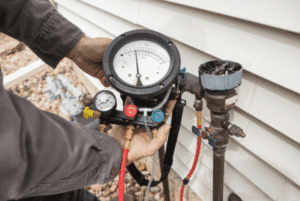
Missing your annual backflow inspection requirements in Cleveland, Ohio, is not just a maintenance issue; it’s a compliance violation. If your property has a backflow prevention device, the city requires strict yearly testing to protect the public water supply.
These rules apply to any irrigation or plumbing system that could create a cross-connection risk. The requirements are enforced to prevent contamination and ensure safe drinking water for the entire community.
What the Annual Backflow Inspection Requirements Include
Cleveland Water requires all applicable properties to follow a strict yearly compliance cycle.
The official requirements include:
A backflow prevention device must be tested once every 12 months
Testing must be performed by a certified professional
The device must meet Ohio plumbing and safety standards
Test results must be submitted to the water authority
Any failure must be corrected immediately and retested
These rules are not optional. They are part of Cleveland’s water safety enforcement system.
Who Must Follow Annual Backflow Inspection Requirements
You are required to comply if your property includes:
Irrigation or sprinkler systems connected to city water
Commercial or multi-unit plumbing systems
Any irrigation setup with a backflow prevention assembly
Any property with a potential cross-connection risk
Even residential systems are included if a backflow device is installed.
Many homeowners first discover this requirement after installation, especially when going through a sprinkler system maintenance checklist during seasonal upkeep.
Certified Testing Rules in Cleveland
One of the strictest requirements is who is allowed to perform the inspection.
Cleveland mandates that:
Only an Ohio-certified backflow technician can perform testing
Equipment used must meet calibration standards
Results must follow official documentation procedures
Self-testing or homeowner testing is not valid for compliance
This ensures accurate results and protects the integrity of the public water system.
Proper system handling is also important during broader servicing periods, such as an irrigation system final inspection, where multiple system components are evaluated together.
Reporting and Compliance Submission Rules
After testing, strict reporting rules apply.
Requirements include:
Submission of results to Cleveland Water or the designated authority
Full documentation of device type, test results, and inspection date
Timely submission within the compliance window
Proper record retention for audit purposes
If documentation is missing or late, the system is considered non-compliant even if the device passed.
Failure and Enforcement Rules
If a system fails inspection, compliance action is immediate.
Cleveland Water may require:
Immediate repair or replacement of the device
Retesting after corrections
Possible water service restrictions for continued non-compliance
Formal violation notices or penalties
In many cases, failure is linked to aging equipment or system stress, which can accelerate wear on irrigation components.
Why the Inspection Is Required Every Year
The “annual” requirement is strictly enforced for safety reasons.
Backflow devices must be tested yearly because:
Pressure changes can reverse water flow
Components wear out over time
Irrigation systems are exposed to seasonal stress
Small failures can create major contamination risks
Skipping inspections increases the risk of undetected system failure.
Connection to Broader System Maintenance
Backflow compliance is part of a larger irrigation responsibility.
Property owners who maintain systems regularly are less likely to fail inspection. This includes proper care practices such as managing sprinkler system leaks, which can affect pressure balance and device performance.
Well-maintained systems are more likely to stay compliant year after year.
Frequently Asked Questions
1. What are the annual backflow inspection requirements in Cleveland, Ohio?
They require all properties with a backflow prevention device to complete certified testing once every 12 months. Results must be submitted to Cleveland Water for compliance.
2. Do I need a certified technician for a backflow inspection in Cleveland?
Yes. Only a state-certified backflow technician can legally test the device and submit official results to meet city compliance requirements.
3. What happens if I miss or fail my annual backflow inspection?
You may be required to repair or replace the device and complete a retest. Continued non-compliance can lead to water service restrictions or penalties.
Conclusion
The annual backflow inspection requirements in Cleveland, Ohio, are strict, mandatory, and designed to protect public water safety. Any property with a backflow prevention device must undergo certified annual testing, submit official documentation, and correct any failures immediately.
Only licensed technicians are allowed to perform inspections, and compliance is enforced through city reporting systems.
Following these requirements ensures your system stays safe, legal, and fully operational.
If you are unsure about your compliance status, it is best to consult a certified professional to avoid violations or service disruptions.
Welcome to our blog!
It is our hope that you can find the answer to common irrigation questions on our blog and FAQ page. If you need additional information, send us an email at [email protected]!
Ready to get started?
We handle permits, backflow testing, and inspections for Cleveland-area homeowners. No guesswork on your end.